

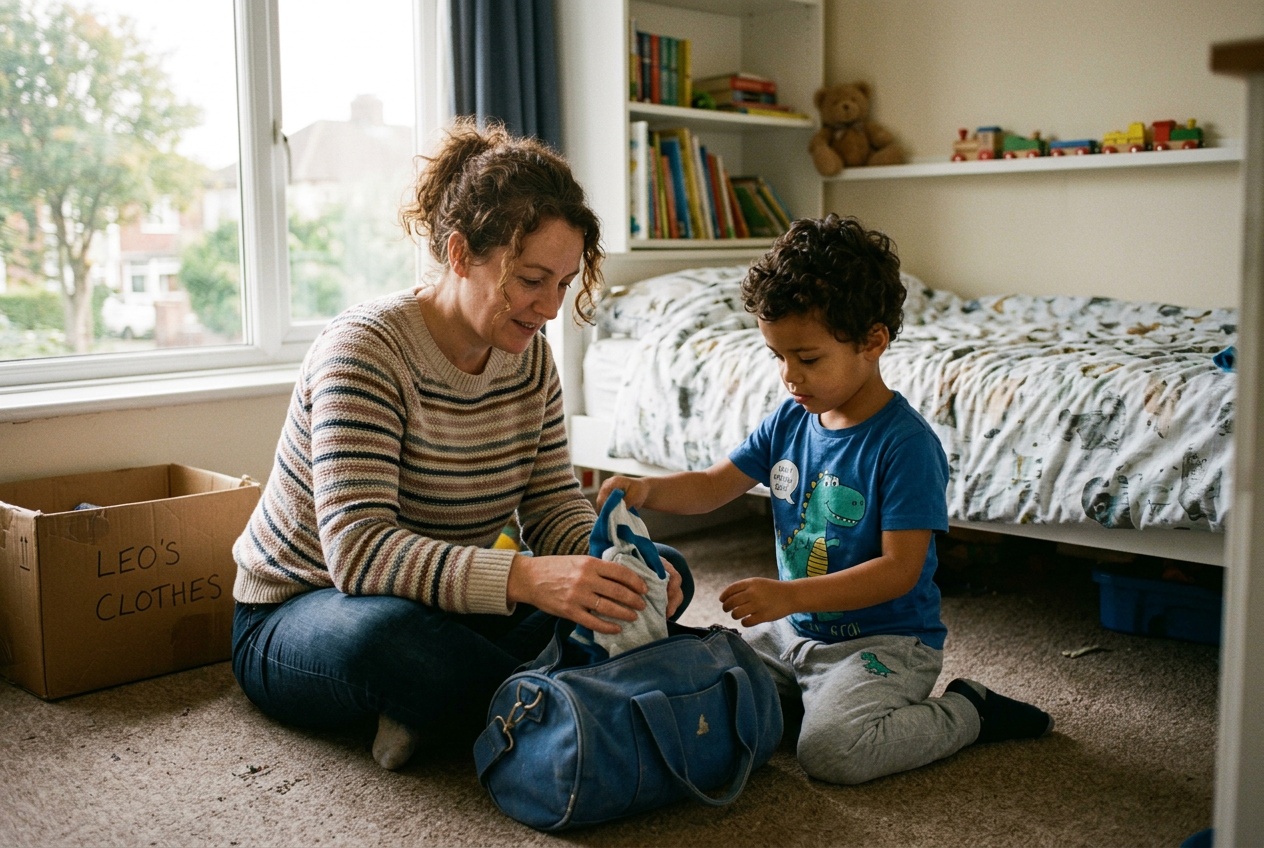

Helping a Foster Child Feel Safe Those First Weeks
The first night, our foster daughter slept with her shoes on. Not because she planned to run — she told us later it was just habit, something to grab if she needed to move fast. That’s the kind of detail nobody prepares you for. Helping a foster child feel safe isn’t about a welcome basket or a cute bedroom. It’s about the small, quiet signals that tell a scared kid: you don’t have to be ready to leave anymore.
If you’re in those first days or weeks with a new placement, you already know the textbook advice can feel thin. Real kids don’t follow scripts. They watch you. They test you. And mostly, they wait to see if you’re going to be like everyone else who’s let them down.
Why the first few weeks matter more than any conversation you’ll have
A foster child’s nervous system is doing math you can’t see. Every new house, new smell, new set of rules gets filed under one question: is this safe or not? Words don’t answer that question. Patterns do.
This is why the goal in the beginning isn’t connection — it’s predictability. Kids who’ve bounced between homes have learned that adults are unreliable, that rules change without warning, that comfort can be pulled away as fast as it’s offered. Your job right now is to be boring in the best way. Same wake-up time. Same dinner routine. Same tone of voice even when you’re exhausted.
I remember forcing myself to say goodnight the exact same way every single night for the first month, even when I felt silly doing it. “Sleep well, see you in the morning.” That’s it. By week three, our foster son started saying it back before I even finished the sentence. That was the whole plan working.
Small, concrete ways to build safety in the daily grind
None of this requires special training or a therapy degree. It requires consistency and a willingness to slow way down.
- Narrate what’s coming next — “After dinner we’re going to watch a show, then bath, then bed” — so nothing feels sudden or unpredictable.
- Let them keep control over small things, like which cup they use or which side of the bed they sleep on. Choice matters when so much of their life has been decided for them.
- Avoid asking too many personal questions early on. Kids will share their story when they trust you, not when you ask nicely. Pushing too fast can feel like another adult wanting something from them.
- Keep a night light or door cracked if they want it, even if it seems babyish for their age. Darkness in an unfamiliar house is its own kind of scary.
- Expect regression — bedwetting, tantrums, clinginess — especially in kids who seemed “fine” the first few days. That calm can be a survival skill, not actual comfort.
One thing I wish someone had told me sooner: big reactions to small things aren’t defiance. A meltdown over the wrong color cup isn’t about the cup. It’s about a kid who has had zero control over his life suddenly needing to feel like he has some. Once I started seeing it that way, I stopped taking it personally, and honestly, I got a lot less tired.
Editor’s Note – Foster a child is a labor of love. To take in a child in need is to give that child a chance at life that seemly no one else was willing to do.
Here are a few quotes about “Foster Parenting” that I really like and I want to share them with you. Please feel free to share them with others.
“Fostering isn’t about changing the whole world; it’s about making sure one child knows that, in their world, they were entirely worth fighting for.”
“A successful foster journey isn’t measured by how long they stayed, but by how safe they felt while they were here.”
“Family isn’t defined by shared DNA; it’s defined by who holds the flashlight when you’re afraid of the dark.”
What foster kids need from you that they’ll never say out loud
Most foster kids won’t tell you they’re scared. They’ll show it through testing behavior, through refusing affection, through acting like they don’t care whether they stay or go. That distance isn’t rejection. It’s protection. If a kid has been moved before, caring about a new home is risky. Caring means it’ll hurt again if it doesn’t work out.
This is where a lot of well-meaning foster parents get discouraged. They expect gratitude or warmth right away, and when it doesn’t come, they wonder if they’re doing something wrong. You’re not. Trust with a child who’s been hurt by adults builds in inches, not leaps. Some weeks you’ll feel like you’re getting nowhere. Then one random Tuesday, they’ll ask you to check under the bed for monsters, and you’ll realize something shifted without you noticing.
Helping a foster child feel safe also means taking care of your own steadiness. Kids read our stress even when we think we’re hiding it well. If you’re overwhelmed, it’s okay to say so out loud in simple terms — “I’m a little tired today, but I’m still here” — rather than pretending everything’s fine while your shoulders are up around your ears. Kids notice mismatches. Naming your own feelings models that emotions are safe to have and safe to talk about, which is often new territory for them.
The timeline is longer than you think, and that’s normal
Nobody bonds in a week. Some placements take months before a child stops sleeping with one eye open, literally or figuratively. That’s not a sign you’re failing. It’s a sign the child has learned, painfully, to protect themselves, and unlearning that takes time, patience, and a whole lot of repetition.
If you’re in the thick of it right now, tired and unsure if anything you’re doing is working, here’s the one thing to hold onto: safety isn’t built in big moments. It’s built in the thousand small, boring, repeated ones — the same goodnight, the same breakfast, the same steady voice on a hard day. Keep showing up exactly the same way, especially when it feels like nothing’s changing. That consistency is the whole point, and eventually, it’s the thing they’ll remember.