


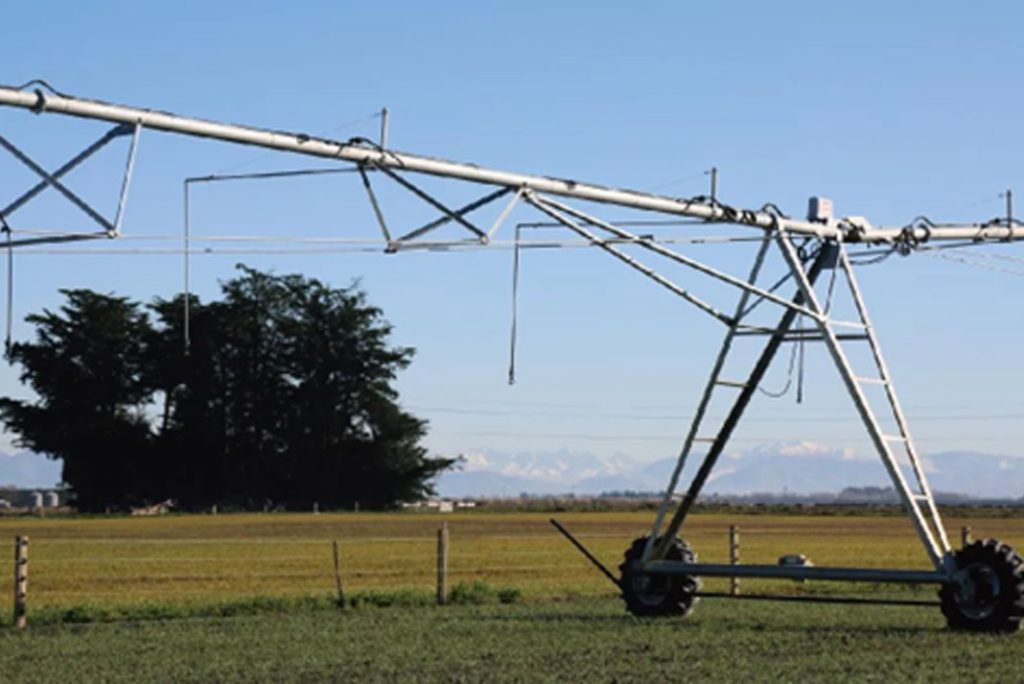
Center pivot irrigation systems rely on gearboxes to maintain consistent movement across fields, ensuring uniform water application that supports crop vitality and farm efficiency. Determining the appropriate lubrication schedule for these gearboxes prevents premature wear, reduces energy consumption, and minimizes operational disruptions. Factors such as environmental conditions, usage intensity, and manufacturer guidelines influence this timeline, requiring a tailored approach for each setup.
Understanding the Role of Lubrication in Gearbox Performance
Lubrication serves as the primary defense against friction and heat buildup within the gearbox assembly. In these units, typically featuring worm or helical gears, oil coats internal components to facilitate smooth rotation while dissipating thermal energy generated during extended operation. Without regular maintenance, contaminants like dust or moisture can degrade the lubricant, leading to accelerated corrosion or gear pitting, which compromises the system’s reliability.
Environmental variables play a significant role: In arid regions with high dust levels, lubricant breakdown occurs faster than in temperate climates. Similarly, pivots operating in hilly terrain or under heavy loads demand more frequent attention to sustain torque output and prevent seal failures.
Recommended Lubrication Intervals Based on Usage and Conditions
Standard practices suggest inspecting and replenishing gearbox oil annually or after every 1,000 to 3,000 hours of operation, whichever milestone arrives first. For initial setups, perform the first oil change after the break-in period—often around 500 hours—to remove any manufacturing residues. Subsequent changes align with seasonal cycles, particularly in areas with distinct planting and dormant periods.
In high-demand scenarios, such as continuous use on large-acreage farms, shorten intervals to every 6 months. Conversely, for low-usage systems in mild environments, extending to biennial checks may suffice, provided visual inspections reveal no discoloration or low levels. Always reference the equipment’s manual, as variations exist; for instance, some models require synthetic oils that endure longer under extreme temperatures.

Step-by-Step Guide to Lubricating Your Gearbox
Preparation and Safety Measures
Begin by powering down the system and allowing components to cool. Secure the area to prevent accidental activation, and gather tools including a drain pan, funnel, and appropriate oil—typically SAE 80W-90 gear oil or manufacturer-specified equivalents. Wear protective gloves to handle potentially contaminated fluids.
Draining and Inspection
Locate the drain plug at the gearbox base and remove it to empty old oil, noting its color and consistency for signs of water intrusion or metal particles. Inspect seals and gaskets for cracks during this phase; replace any compromised parts to avoid future leaks.
Refilling and Verification
Refill through the fill port until oil reaches the sight glass or dipstick mark, avoiding overfilling which can cause pressure buildup. Cycle the system briefly post-refill to distribute the lubricant, then recheck levels after settling.
Common Signs Indicating Immediate Lubrication Needs
Monitor for indicators like unusual grinding noises during rotation, which suggest inadequate lubrication leading to gear contact. Oil leaks around seals or a milky appearance in drained fluid point to moisture contamination, necessitating prompt action. Overheating, detectable by touch or infrared thermometers, also signals degraded oil performance.
Factors Influencing Customized Schedules
Usage patterns dictate adjustments: Pivots running 24/7 in peak irrigation seasons warrant more frequent servicing than those active sporadically. Soil types matter too—sandy grounds accelerate abrasive wear, while clay-heavy areas may introduce more moisture risks. Consulting a center pivot irrigation gearbox manufacturer provides precise recommendations, incorporating model-specific tolerances and regional adaptations.
Long-Term Benefits and Best Practices
Adhering to a disciplined lubrication regimen extends gearbox lifespan by up to 50%, curbing repair costs and enhancing overall system efficiency. Complement this with annual full-system audits, including tire pressure checks and alignment verification’s, to maximize returns. Document each service event for trend analysis, enabling proactive adjustments that align with evolving farm operations.