

Last updated: November 27, 2026
Quick answer: Most 3-year-olds are not ready for organized, competitive sports. The American Academy of Pediatrics says most children are ready around age 6, and that younger kids benefit most from plenty of free play: running, swimming, tumbling, throwing and catching. Short, playful classes with no scorekeeping can be fun at 3, but backyard and park play builds the same skills.
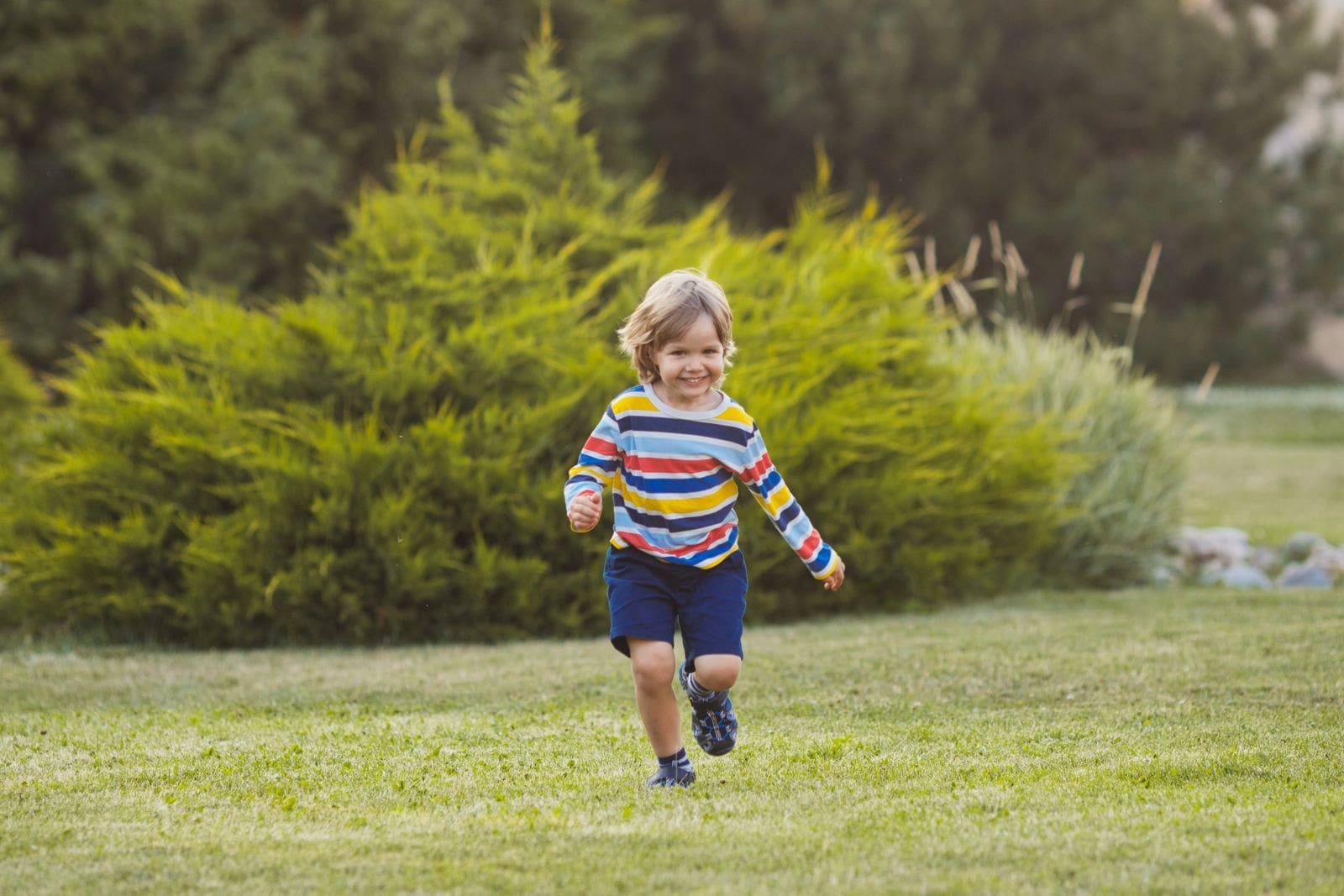
Why wait for organized sports?
According to the AAP, before age 6 most children do not yet have the basic motor skills for organized sports. Balance and attention span are still developing, and the ability to track moving objects is not fully mature (HealthyChildren.org). For ages 2 to 5, the AAP recommends limited instruction, a show-and-tell format, plenty of playtime and no competition.
What sports skills can preschoolers build?
- Running, jumping and hopping
- Throwing and catching a large, soft ball
- Kicking a ball
- Balancing on a line or low beam
- Tumbling and rolling
- Getting comfortable in water
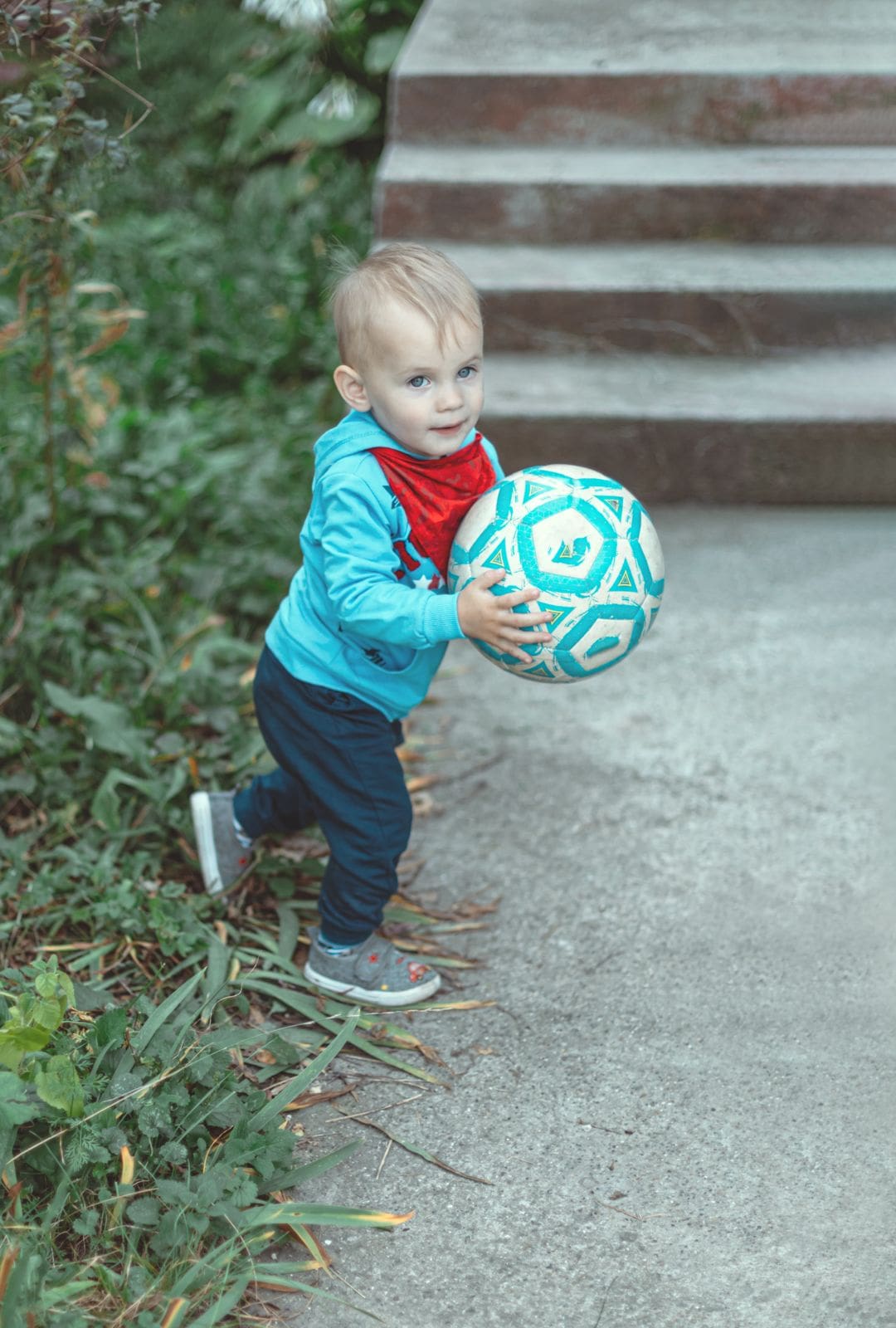
10 active weekend ideas for ages 2 to 5
- Park obstacle course. Climb, slide, run to the tree and back.
- Bubble chase. Running and jumping without anyone noticing it is exercise.
- Family soccer. A big ball, two cones and no score.
- Nature walk scavenger hunt. Find a pinecone, a red leaf and a smooth rock.
- Swim time. A parent-and-child swim class or an open swim at the local pool, always within arm’s reach.
- Balance bike or scooter loop. With a helmet every time. See our first scooter guide.
- Living room yoga or dance party on rainy days.
- Playground hopping. Visit two new playgrounds in one morning.
- Throw-and-catch with a beach ball or balloon-sized soft ball.
- Tumbling on a mat or the lawn. Forward rolls, log rolls and bear walks.
When is a class a good idea?
A short, playful class (tumbling, dance, swim, “soccer tots”) can be great if your child is interested and the focus is fun, not winning. The AAP’s advice: the interest should start with the child, not the parent (HealthyChildren.org).
Readiness by age at a glance
| Age | What fits best | What to avoid |
|---|---|---|
| 2 to 3 | Free play, parent-and-child classes, swimming with an adult in the water | Drills, scorekeeping, long practices |
| 3 to 5 | Short, playful classes like tumbling, dance and “tots” soccer; lots of free play | Competition and pressure to win |
| 6 to 9 | Beginner organized sports with simple rules | Year-round single-sport specialization |
Fundamental movement skills to practice
| Skill | Game to try |
|---|---|
| Running | Tag, races to the tree and back |
| Jumping | Jump over chalk lines or a pool noodle on the ground |
| Balancing | Walk a chalk line or low curb holding your hand |
| Throwing | Toss bean bags into a laundry basket |
| Catching | Catch a big soft ball or balloon (balloons are for close supervision only) |
| Kicking | Kick a big ball into a “goal” between two shoes |
Choosing a preschool class
- Short: 30 to 45 minutes is plenty.
- Playful: games, music and movement, not drills.
- No scores or standings.
- Parents welcome, at least for the first few sessions.
- Coaches who know young kids: lots of encouragement and quick transitions.
- A trial class before signing up for a whole season.
Indoor ideas for cold or rainy weekends
- Pillow obstacle course in the living room
- Balloon volleyball (balloons are a choking hazard for kids under 8; supervise closely and pick up any pieces)
- Freeze dance
- Animal walks: bear crawl, frog jump, crab walk
- Indoor playgrounds, open gym time or the local pool
Gear that helps
- A soft, size 3 soccer ball. Shop kids soccer balls
- Bean bags and a toss target. Shop bean bag toss
- A balance bike with a helmet. Shop balance bikes
As an Amazon Associate, FamilyLifeTips.com earns from qualifying purchases.
Frequently asked questions
What age should kids start organized sports?
Most children are ready around age 6, according to the American Academy of Pediatrics. Before that, free play builds the skills they need.
Are sports classes for 3-year-olds worth it?
They can be fun if they are short, playful and noncompetitive, and if your child is interested. They are not necessary for development.
What physical activities are good for preschoolers?
Running, jumping, swimming, tumbling, throwing and catching, and playground play.
What sports can a 3-year-old do?
Short, playful, noncompetitive activities like tumbling, dance, swimming lessons with a parent and “tots” soccer, plus lots of free play.
How long should a preschool sports class be?
About 30 to 45 minutes is plenty for most 3- to 5-year-olds.
Sources
- American Academy of Pediatrics, Is Your Child Ready for Sports?
- American Academy of Pediatrics, AAP Encourages Organized Sports