
Last updated: November 27, 2026
Quick answer: The best learning toys for young children are simple, open-ended toys that kids and parents play with together: blocks, puzzles, shape sorters, pretend-play sets, art supplies, balls and books. The American Academy of Pediatrics says these traditional toys support development better than electronic or app-based toys, and that the toy matters less than the play between a caregiver and child.
What do pediatricians say about learning toys?
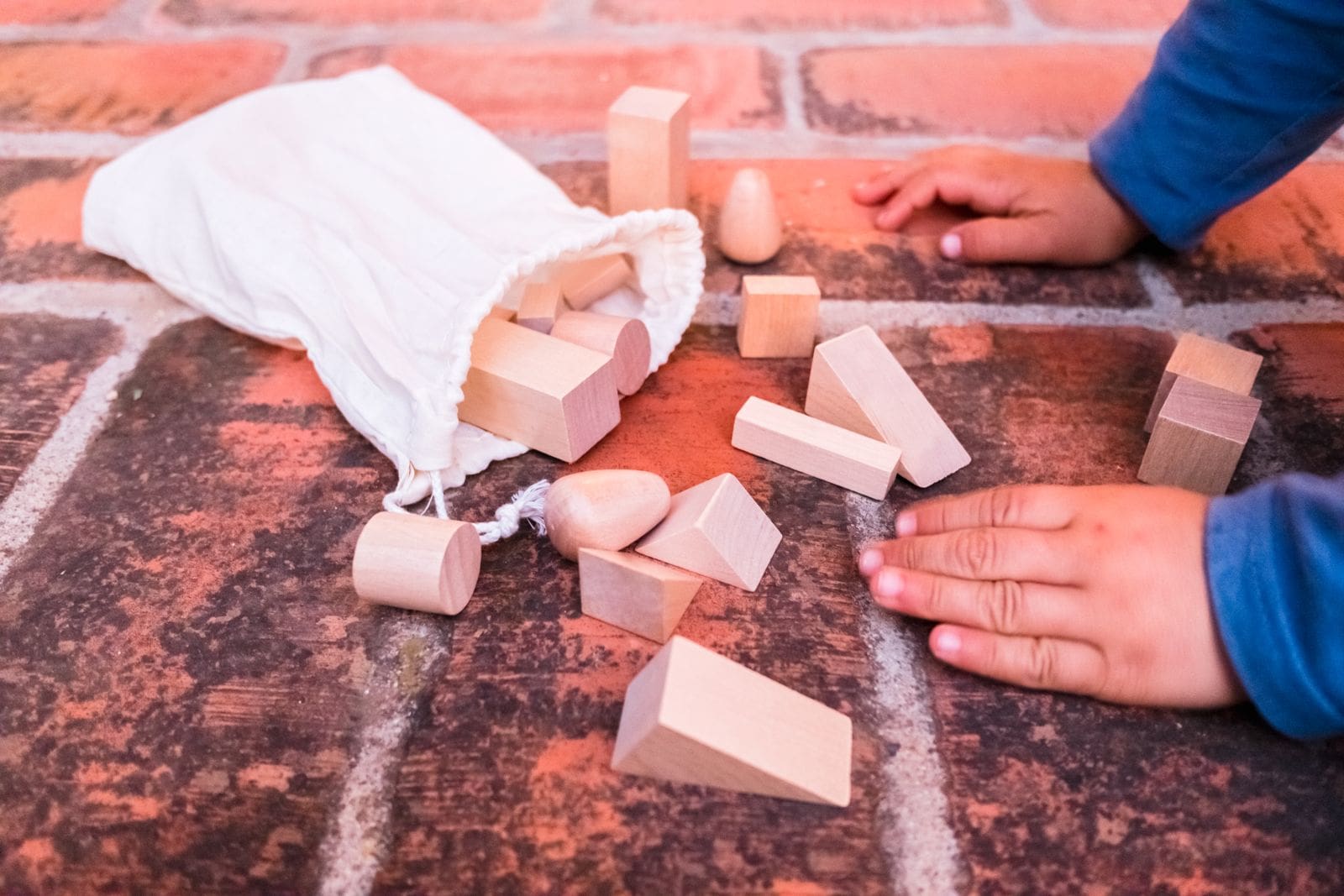
In its clinical report “Selecting Appropriate Toys for Young Children in the Digital Era,” the AAP warns families against using digital gadgets as a replacement for hands-on toys. The ideal toys match a child’s abilities while encouraging new skills, and the best ones “need not be flashy or expensive or come with an app” (AAP).
The best learning toys by type
Blocks and building sets
Build problem-solving, fine motor skills and early math. Wooden blocks for toddlers, larger interlocking bricks for preschoolers. Shop wooden blocks
Puzzles and shape sorters
Chunky knob puzzles for toddlers, 12 to 24 piece floor puzzles for preschoolers. Shop toddler puzzles
Pretend play
Play kitchens, toy food, dolls, doctor kits and dress-up build language and social skills. Shop play kitchens
Art supplies
Chunky crayons, washable markers, play dough and paper. Process matters more than the finished picture.
Active toys
Balls, push toys and ride-ons build balance and coordination.
Books and screen-free audio
Board books for babies and toddlers, picture books for preschoolers. A screen-free audio player like the Yoto Mini lets kids pick their own stories and songs without a screen.
Games for the whole family
Simple card and board games teach turn-taking and counting. For families with kids 7 and up, Exploding Kittens is a quick, silly favorite.
How to choose safe toys
- Follow the age label. It reflects safety, not just skill level.
- For kids under 3, avoid toys with small parts that could be choking hazards.
- Keep balloons away from children under 8. The AAP lists them as a choking risk (HealthyChildren.org).
- Keep button batteries and small magnets out of reach.
Best toys by age
| Age | Toy types | Skills they build |
|---|---|---|
| 0 to 12 months | Soft blocks, rattles, board books, stacking cups, unbreakable mirrors | Grasping, cause and effect, early language |
| 1 to 2 years | Shape sorters, chunky puzzles, push toys, simple pretend play, crayons | Problem-solving, walking, fine motor |
| 2 to 3 years | Wooden blocks, play kitchen, dolls, ride-on toys, large knob puzzles | Imagination, language, balance |
| 3 to 5 years | Building bricks, floor puzzles, art supplies, dress-up, simple board games, balls | Planning, turn-taking, creativity |
| 5 and up | Card games, construction sets, science kits, bikes and scooters with helmets | Strategy, reading, coordination |
Open-ended vs. single-purpose toys
Open-ended toys can be used many ways, so kids come back to them for years. A set of blocks can be a tower, a road, a zoo or a castle. A button that plays one song does one thing. When you’re choosing between two toys, the open-ended one usually gets more play.
| Open-ended | Single-purpose |
|---|---|
| Blocks and building sets | Toys that play a sound when a button is pressed |
| Play dough and art supplies | Character toys that only do one action |
| Dolls, toy animals and play food | App-dependent toys |
| Cardboard boxes, scarves, balls | Toys with a single “right” way to play |
Toy rotation: get more out of fewer toys
- Divide toys into three or four groups, each with a mix of types.
- Keep one group out and store the rest in bins out of sight.
- Swap groups every week or two.
- Watch which toys get played with. Those are your keepers.
Our top picks to start with
- A 50- to 100-piece wooden block set. Shop wooden blocks
- A wooden shape sorter for 1-year-olds. Shop shape sorters
- Pretend-play food and a play kitchen for 2- to 5-year-olds. Shop play kitchens
- Washable crayons and markers with big paper. Shop washable crayons
- A screen-free audio player, the Yoto Mini.
How to play together
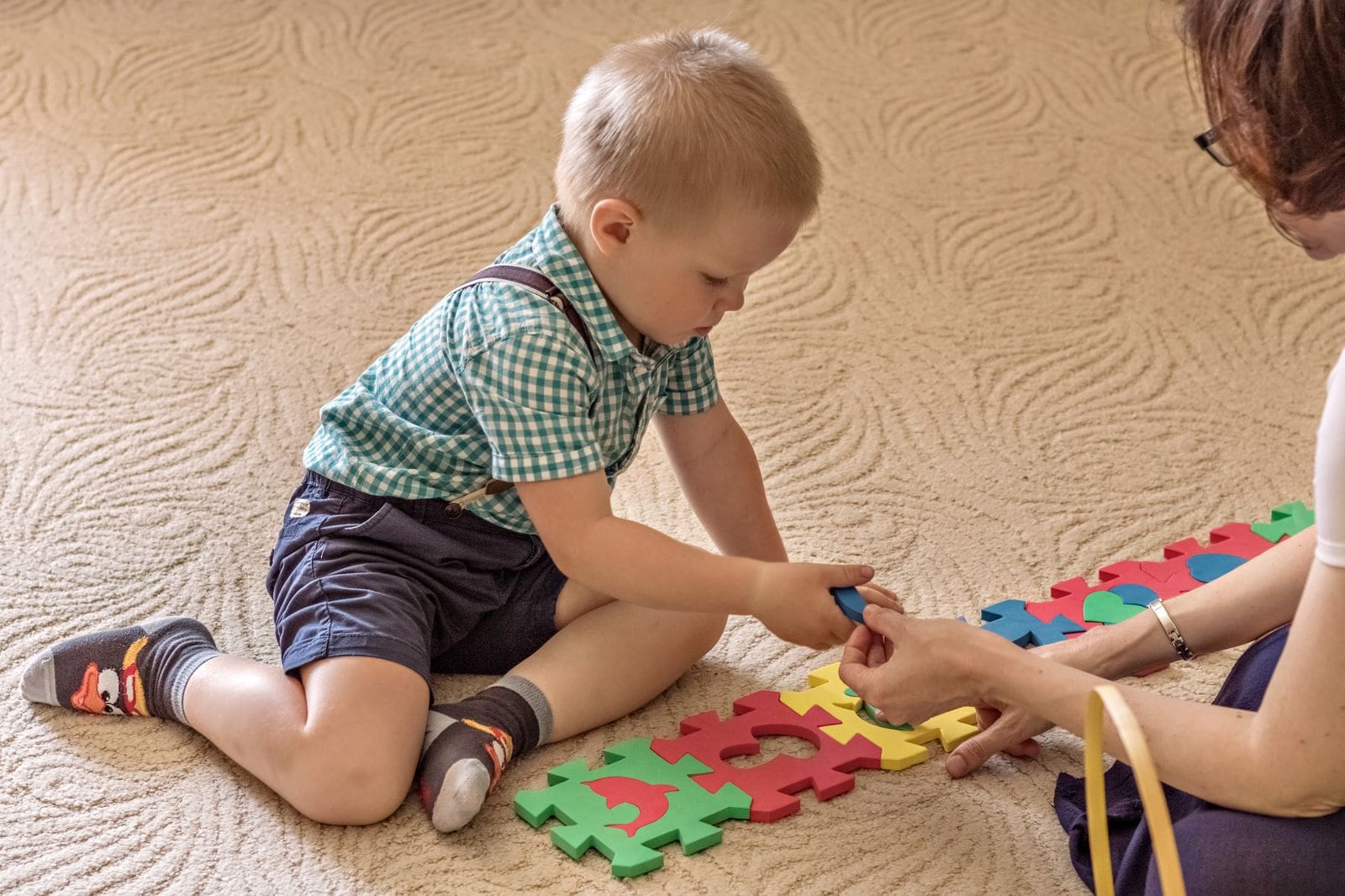
The AAP says the real magic happens when parents join in, whether pretending with toy characters or building with blocks together. Follow your child’s lead, describe what they are doing (“You put the red block on top!”), and resist taking over.
Frequently asked questions
What toys are best for toddler development?
Simple, hands-on toys like blocks, puzzles, shape sorters, pretend-play items, art supplies, balls and books, especially when a parent plays along.
Are electronic learning toys bad?
Not necessarily, but the AAP warns against using them as a replacement for traditional toys and hands-on play with caregivers.
How many toys does a toddler need?
Fewer than you think. Rotating a small set of toys every couple of weeks keeps them interesting.
What are open-ended toys?
Toys that can be played with in many ways, like blocks, play dough, dolls, toy animals and art supplies. They tend to get more play over more years.
What is toy rotation?
Keeping a small set of toys out and storing the rest, then swapping groups every week or two so toys feel new again.
Sources
- American Academy of Pediatrics, The Best Toys Go Back to Basics
- American Academy of Pediatrics, Choking Prevention
As an Amazon Associate, FamilyLifeTips.com earns from qualifying purchases.