

Last updated: November 27, 2026
Quick answer: The true newborn must-haves are short: a rear-facing car seat, a safe sleep space (crib, bassinet or play yard with a firm, flat mattress and fitted sheet), diapers and wipes, a few sleepers and swaddles or sleep sacks, feeding supplies, and a thermometer. Most other baby gear is nice to have, and plenty of it goes unused.
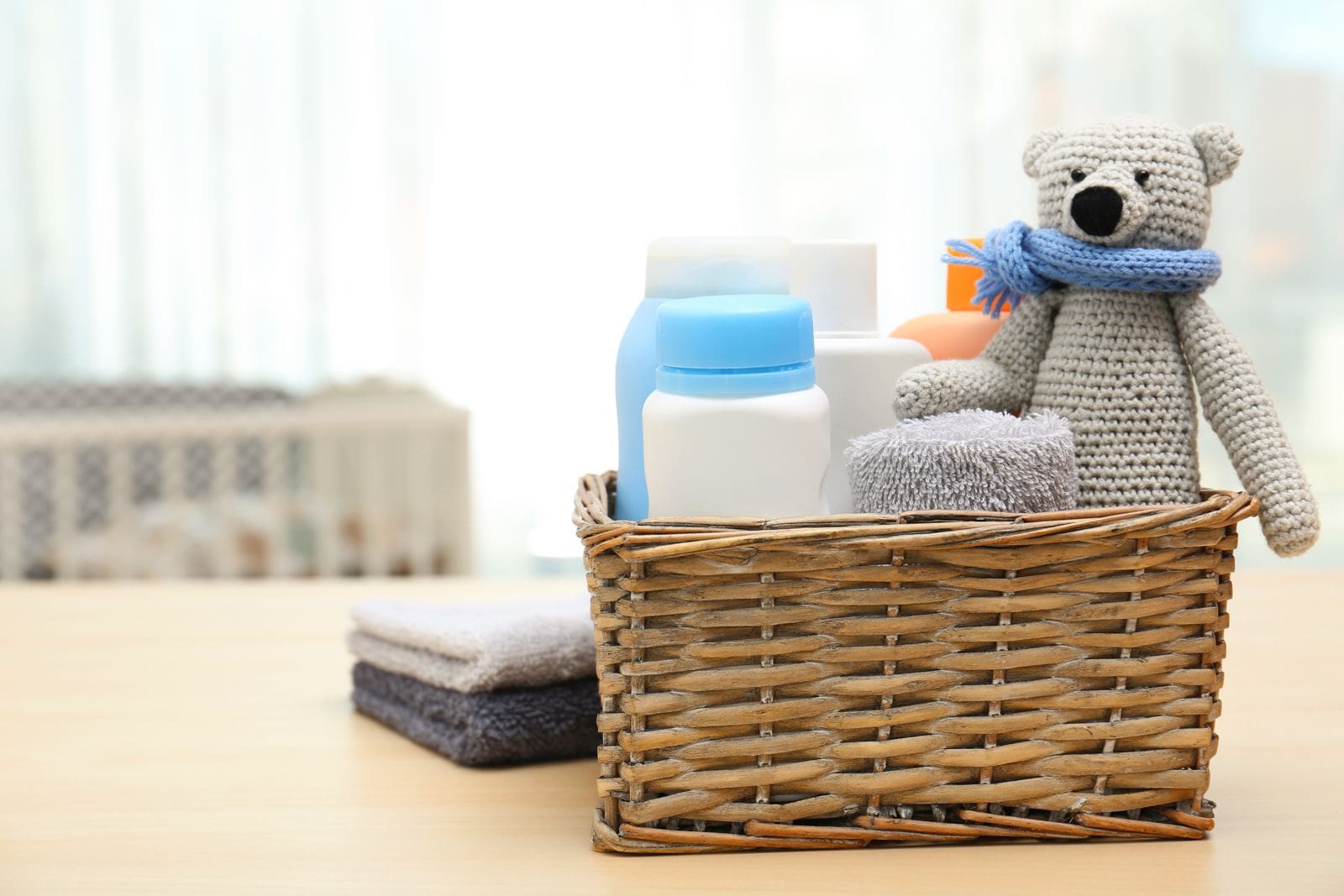
The 10 newborn essentials
- Rear-facing car seat. The American Academy of Pediatrics recommends that all infants ride rear facing starting with their first ride home from the hospital, and stay rear facing as long as their seat allows (HealthyChildren.org). Install it before your due date and have it checked by a certified child passenger safety technician. Shop infant car seats
- A safe sleep space. A crib, bassinet or play yard that meets federal safety standards, with a firm, flat mattress and a fitted sheet. Nothing else in it: no pillows, bumpers, blankets or stuffed animals (AAP).
- Sleep sacks or swaddles. Wearable blankets replace loose blankets. Stop swaddling once your baby shows signs of trying to roll. Shop sleep sacks
- Diapers and wipes. Newborns go through a lot. Buy a couple of packs in newborn and size 1 rather than a huge stockpile of one size.
- Diaper cream. A basic zinc oxide cream handles most diaper rash.
- Sleepers and onesies. Six to eight zip-up sleepers and a handful of bodysuits. Zippers beat snaps at 3 a.m.
- Feeding supplies. Nursing pads and a pump if breastfeeding; bottles, formula and a bottle brush if bottle feeding. Start with a few bottles until you know what your baby likes.
- Burp cloths. You will use more than you think.
- A digital thermometer. Ask your pediatrician which type and when to call about a fever.
- A carrier or stroller. Something that lets you get out of the house. A soft wrap or carrier is handy for the newborn weeks.
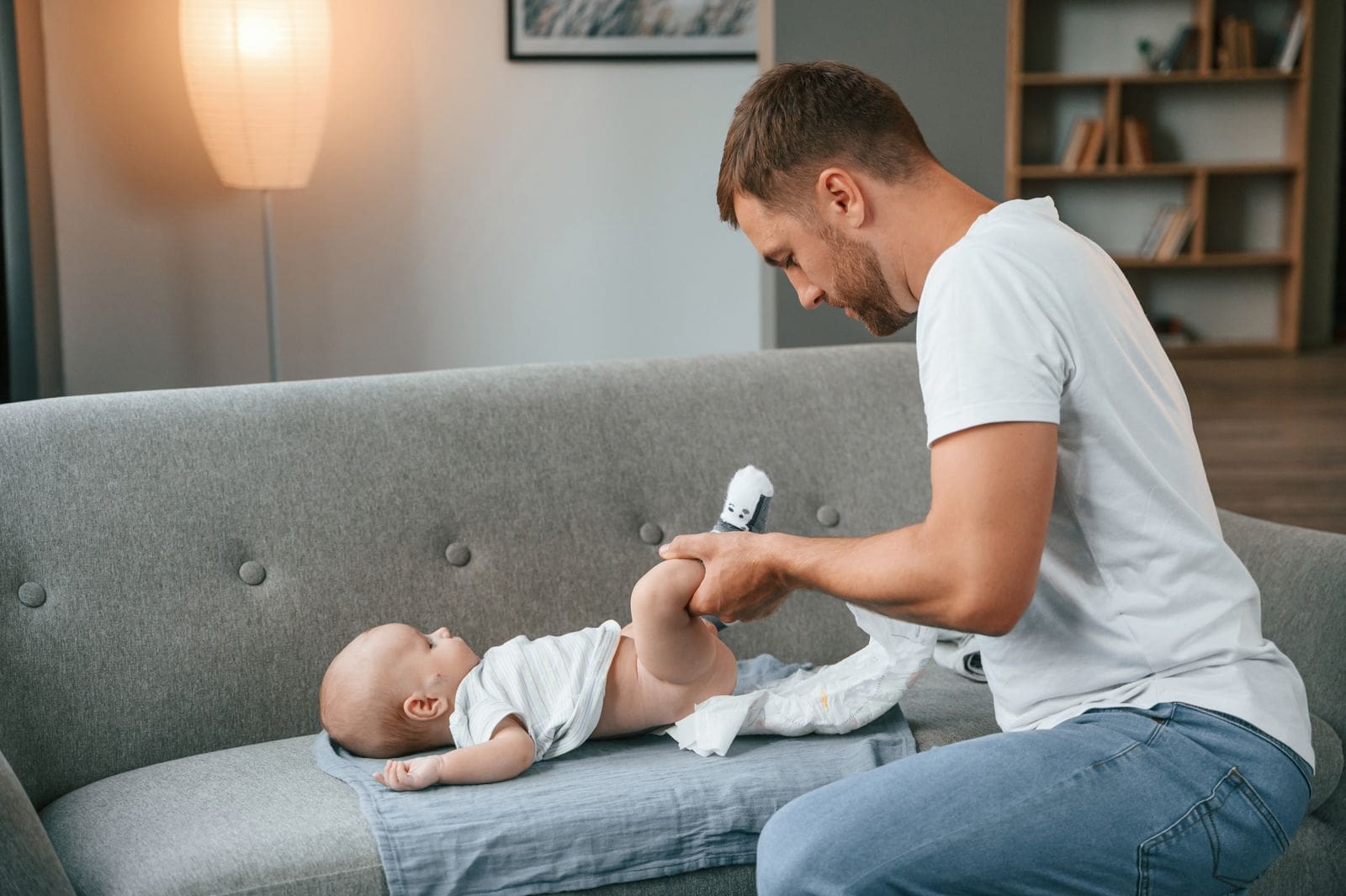
What can you skip?
- Crib bumpers, positioners and inclined sleepers. The AAP advises against soft bedding and inclined sleep products for infants.
- Wipe warmers. Room-temperature wipes are fine.
- Tiny shoes. Babies do not need shoes until they walk.
- A dedicated changing table. A changing pad on top of a dresser that is anchored to the wall works.
- Lots of newborn-size clothes. Many babies outgrow them in weeks.
Nice to have later
- A sound machine with a night light, like the Hatch, for the bedtime routine
- A baby monitor
- A play mat for tummy time
- A high chair once your baby starts solids
Newborn checklist with quantities
| Item | How many to start | Notes |
|---|---|---|
| Rear-facing car seat | 1 | Installed before the due date; check expiration and manual |
| Crib, bassinet or play yard | 1 | Firm, flat mattress and fitted sheet only |
| Fitted crib sheets | 2 to 3 | For middle-of-the-night changes |
| Sleep sacks or swaddles | 3 to 4 | Stop swaddling when baby shows signs of rolling |
| Sleepers (zip-up) | 6 to 8 | Mix newborn and 0 to 3 month sizes |
| Bodysuits | 6 to 8 | Easy layering |
| Diapers | 1 to 2 packs per size to start | Newborn and size 1 |
| Wipes | 2 to 3 packs | Unscented is a safe bet |
| Burp cloths | 6 to 10 | Cloth diapers work great |
| Bottles (if bottle feeding) | 4 to 6 | Start small until you know what baby likes |
| Digital thermometer | 1 | Ask your pediatrician which type |
| Baby nail file or clippers | 1 | Newborn nails are sharp |
Car seat types compared
| Type | Pros | Cons |
|---|---|---|
| Rear-facing only (infant seat) | Carries in and out of the car, clicks into many strollers | Outgrown sooner, usually in the first year or so |
| Convertible | Rear-facing to higher limits, then forward-facing; lasts years | Stays in the car, heavier |
| All-in-one | Rear-facing, forward-facing and booster in one | Large, may not fit small cars rear-facing |
The AAP notes that most convertible seats allow children to ride rear facing for 2 years or more (HealthyChildren.org). Never place a rear-facing seat in front of an active passenger airbag. Shop convertible car seats
Hospital bag for baby
- Car seat, installed
- Two going-home outfits in different sizes
- A hat and socks or footed sleeper for cold weather
- A light blanket to cover baby over the harness, never under it
- A few newborn diapers and wipes, even though hospitals usually provide them
Budget-friendly tips
- Buy the car seat new unless you know its full history.
- Borrow or buy used for things that are outgrown fast: bouncers, baby bathtubs, clothes. Check recalls on the CPSC website first.
- Do not buy a lot in one size. Babies grow unpredictably.
- Set up a registry checklist and add only what you need for the first three months.
Frequently asked questions
What does a newborn need for the first week?
A rear-facing car seat, a safe sleep space, diapers and wipes, a few sleepers, feeding supplies, burp cloths and a thermometer.
Is a used car seat safe?
Only if you know its full history. Do not use a seat that has been in a crash, is past its expiration date or is missing parts or labels.
Do newborns need blankets?
Not in the crib. The AAP recommends keeping soft bedding out of the sleep space and using a wearable blanket or sleep sack instead.
How many diapers does a newborn use a day?
Newborns often go through 8 to 12 diapers a day, so start with a pack or two of newborn and size 1 rather than a large stockpile of one size.
Which car seat is best for a newborn?
Either a rear-facing-only infant seat or a convertible seat used rear facing. Choose one that fits your baby and car, install it correctly and keep your child rear facing as long as the seat allows.
Sources
- American Academy of Pediatrics, Rear-Facing Car Seats for Infants and Toddlers
- American Academy of Pediatrics, A Parent’s Guide to Safe Sleep
As an Amazon Associate, FamilyLifeTips.com earns from qualifying purchases.