

Last updated: November 27, 2026
Quick answer: Start preparing your dog months before the baby arrives: practice “leave it,” “drop it,” “down” and “stay,” set up baby gear early, and make any routine changes ahead of time. When you come home, greet the dog first without the baby, then let the dog sniff the baby calmly from a distance with an adult in control. The most important rule: never leave a baby or young child alone with any dog, no matter how gentle.
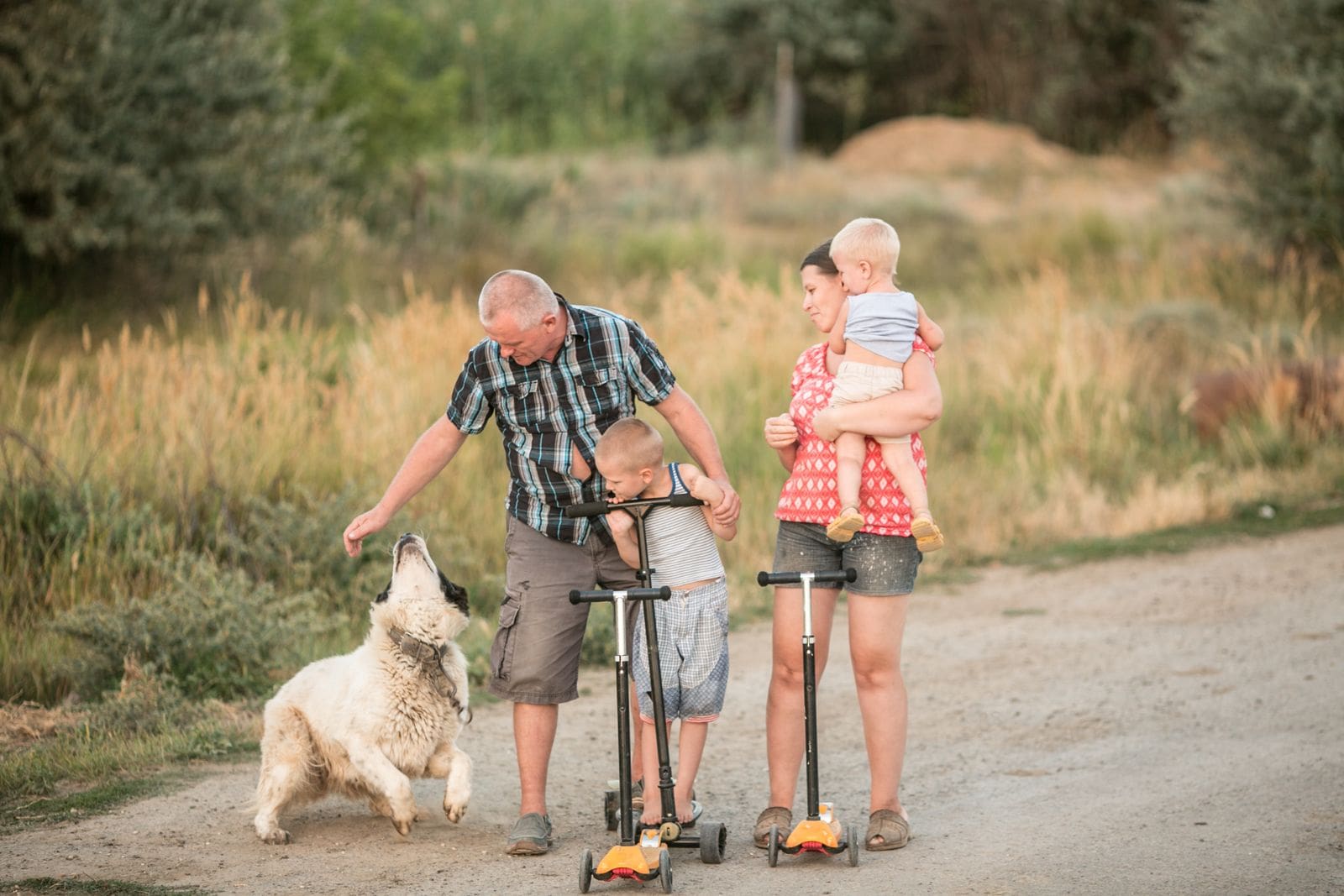
Before the baby arrives
- Brush up on cues. “Leave it” and “drop it” help keep your dog away from baby items, and polite greetings keep a dog from jumping while you hold the baby (ASPCA).
- Change routines early. If the dog will lose couch or bedroom privileges, start now, not the day you come home.
- Introduce baby gear. Set up the crib, swing and stroller so the dog gets used to them.
- Play baby sounds at low volume and reward calm behavior.
- Create a safe space the dog can retreat to, like a crate or gated room.
- Schedule a vet visit so your dog is healthy and up to date.
The first meeting
- Have someone bring home a blanket or hat the baby has worn so the dog can sniff the scent.
- When you arrive, greet your dog first without the baby. Give attention until the dog calms down.
- With one adult holding the baby and another handling the dog on a leash, let the dog sniff from a short distance.
- Praise and reward calm behavior. Keep the first meeting short.
- Watch for stress signs: lip licking, yawning, a stiff body, whale eye or turning away. Give the dog space if you see them.
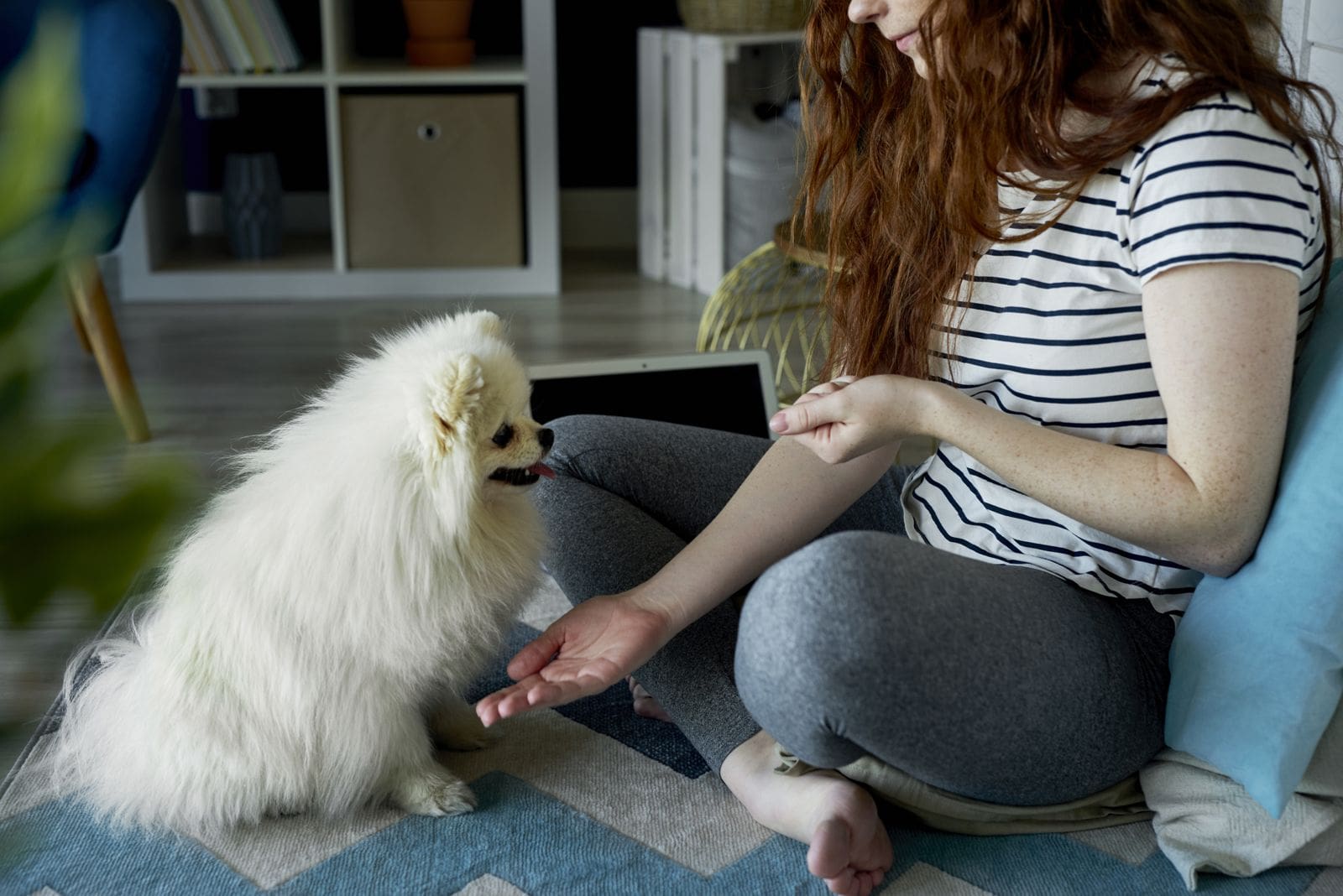
Household rules that keep everyone safe
- Always supervise. Animal welfare groups agree that even the most tolerant pet should never be left alone with a baby or young child (Best Friends Animal Society). If you leave the room, the baby goes with you or the dog goes to its safe space.
- Never put the baby on the floor next to the dog.
- Keep the dog out of the nursery unless you are there.
- Let the dog choose. The dog should always be able to walk away from the baby.
- Keep up the dog’s walks and play. A tired, happy dog copes better with change.
When to get help
If your dog growls, snaps, seems fearful or fixates on the baby, separate them and talk with your veterinarian. They can refer you to a certified trainer or veterinary behaviorist.
A 12-week prep timeline
| When | What to do |
|---|---|
| 3 months before | Vet checkup; brush up on sit, down, stay, leave it and drop it; decide new house rules |
| 2 months before | Set up the nursery, crib, swing and stroller; start any new routines like walk times or sleeping spots |
| 1 month before | Play recorded baby sounds at low volume while rewarding calm behavior; walk the dog next to the empty stroller |
| 2 weeks before | Arrange a dog walker or helper for the first weeks home; set up the dog’s safe space with a bed and chew toys |
| Hospital stay | Have someone bring home a blanket the baby has used for the dog to sniff |
| Homecoming day | Greet the dog first, then a short, calm, leashed introduction |
How to read your dog’s body language
| Relaxed | Stressed or uncomfortable |
|---|---|
| Loose, wiggly body | Stiff or frozen body |
| Soft eyes, relaxed mouth | Whale eye (whites of the eyes showing), lip licking, yawning |
| Approaches and leaves easily | Turning away, hiding or trying to leave |
| Normal tail carriage | Tail tucked or held high and stiff |
| Sniffs briefly, then moves on | Staring at the baby, growling or raised hackles |
If you see stress signals, calmly give the dog distance and a break in its safe space. Never punish a growl. It is a warning, and punishing it can teach a dog to skip the warning next time.
What about cats?
- Set up the nursery early so the cat can explore it before the baby comes.
- Keep the cat out of the crib and bassinet by closing the nursery door when you cannot supervise.
- Move the litter box out of the baby’s reach before they start crawling.
- Give the cat high perches and quiet spaces to get away from the noise.
As your baby grows
- Teach toddlers to pet gently with an open hand, on the back, not the face.
- No hugging, climbing on or pulling the dog’s tail or ears.
- Never let kids bother a dog that is eating, sleeping or chewing a toy.
- Give the dog a kid-free zone it can always go to.
- Keep supervising, even with a dog you have trusted for years.
Frequently asked questions
When should I start preparing my dog for a baby?
Start a few months before the due date so you have time to practice cues and change routines gradually.
Can my dog sleep in the same room as the baby?
Many experts recommend crating the dog or giving it a separate sleep area at night instead of leaving it loose and unsupervised near the baby.
Is it ever okay to leave a baby alone with a dog?
No. Even gentle, well-trained dogs should never be left unsupervised with babies or young children.
How do I know if my dog is stressed around my baby?
Watch for a stiff body, lip licking, yawning, whale eye, turning away, staring or growling. Give the dog space and a break in its safe area.
How do I introduce my cat to a new baby?
Set up the nursery early so the cat can explore it, keep the cat out of the crib, move the litter box out of reach and give the cat quiet places to retreat.
Sources
- ASPCA, Preparing Your Dog for a Baby
- Best Friends Animal Society, How to Introduce a Baby to a Dog
- VCA Animal Hospitals, Children and Pets: Infants and Dogs