

Last updated: November 27, 2026
Quick answer: No, your child does not need to be reading by age 5. Most children learn to read around age 6 or 7, though some start at 4 or 5. What matters more at 5 is pre-reading skills: enjoying books, knowing many letters and their sounds, rhyming and telling stories. Reading aloud together every day is the single best thing parents can do.
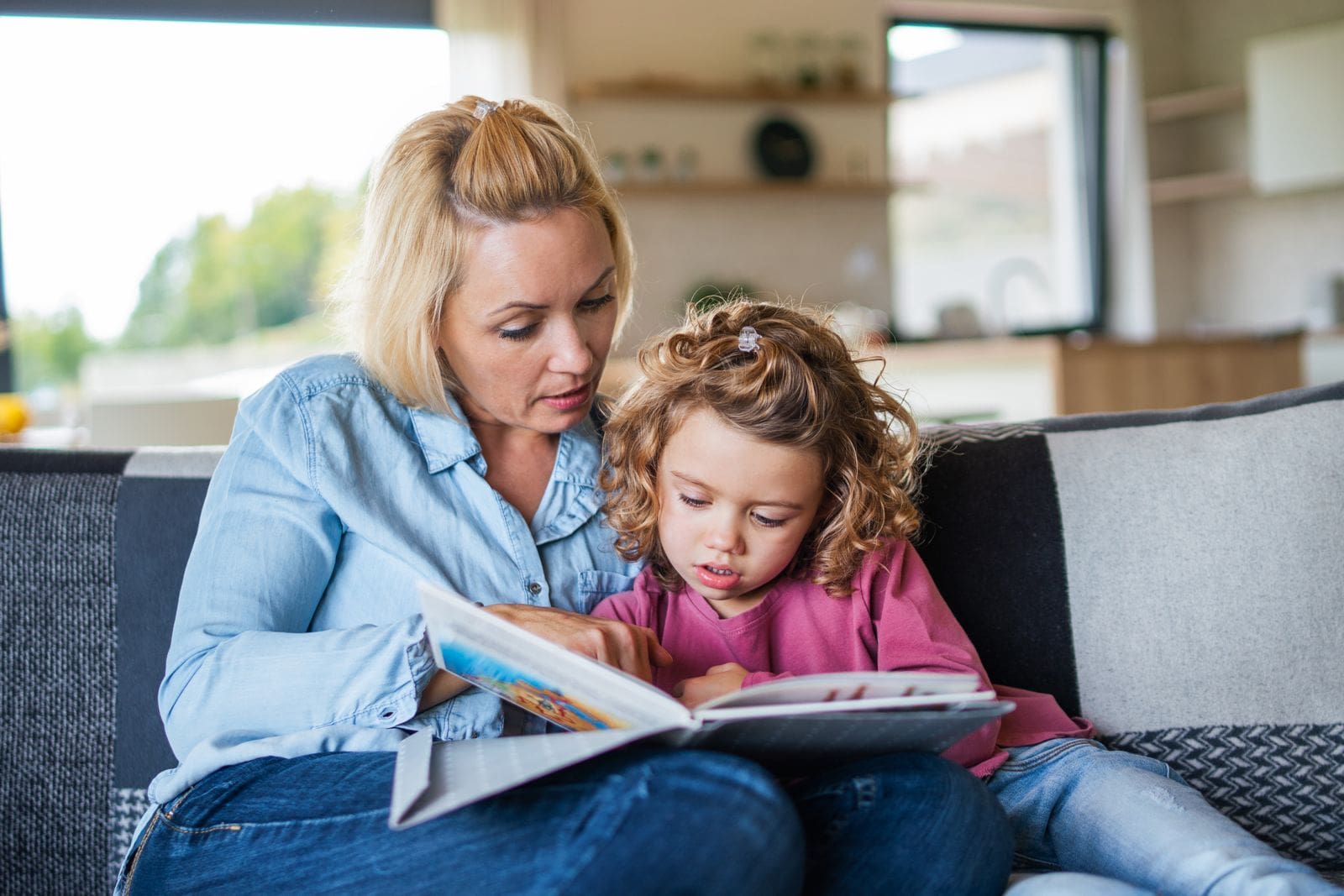
When do most kids learn to read?
Pediatricians say most children learn to read by 6 or 7, with some starting at 4 or 5, and the American Academy of Pediatrics cautions against pushing children to read before they are ready because it can get in the way of their interest in learning (Yahoo Life). The foundation for reading is laid years before school, through talking, singing and sharing books (HealthyChildren.org).
Reading usually clicks in kindergarten through first grade, and skills grow quickly through third grade (KidsHealth).
What pre-reading skills are typical at age 5?
- Recognizes many letters and some of their sounds
- Knows that print goes left to right and top to bottom
- Recognizes their own name in writing
- Rhymes simple words (cat, hat, bat)
- Retells a familiar story in their own words
- Asks questions about books and pictures
Every child develops at a different pace. If you have concerns about speech, hearing or language, talk with your pediatrician.
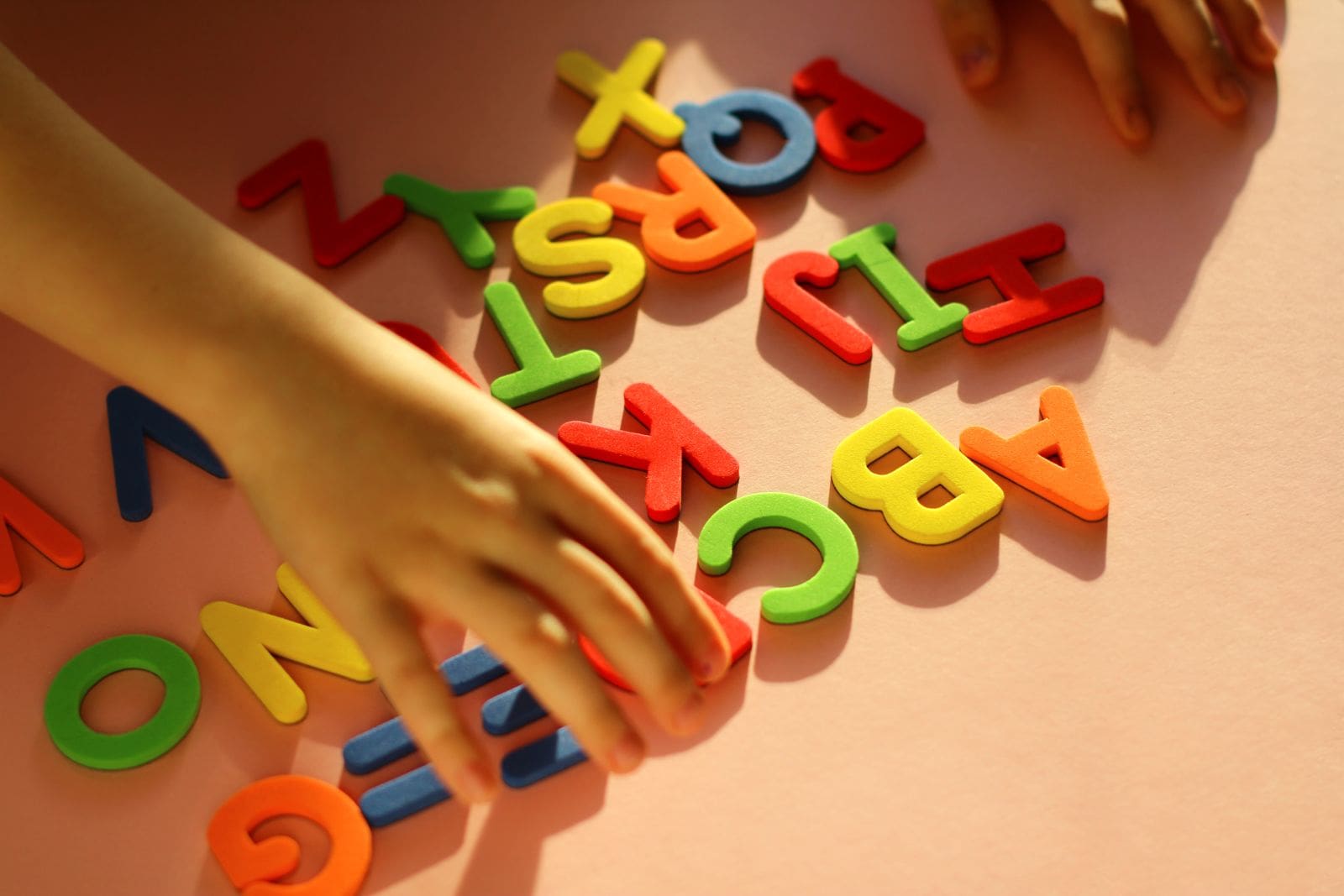
How can parents help at home?
- Read aloud every day. The AAP says reading aloud is the best thing parents can do to encourage a love of books, and to keep doing it even after kids can read on their own (HealthyChildren.org).
- Let them pick the book, even if it is the same one for the hundredth time.
- Pause and ask questions. “What do you think happens next?”
- Play with sounds. Rhyming games, “I spy something that starts with B.”
- Point out print everywhere. Cereal boxes, street signs, menus.
- Keep it fun. Stop if they lose interest. Reading should not feel like homework.
Signs your child is getting ready to read
- They “read” a memorized book back to you
- They ask what signs and labels say
- They try to write letters or their name
- They notice words that start with the same sound
Typical reading milestones by age
| Age | What many children do |
|---|---|
| 1 to 2 | Turn board-book pages, point to pictures, name familiar objects |
| 2 to 3 | Fill in words in favorite books, pretend to read, enjoy rhymes and songs |
| 3 to 4 | Recognize some letters, especially in their name; retell simple stories |
| 4 to 5 | Know many letters and some sounds, rhyme words, recognize their written name |
| 5 to 6 | Begin matching letters to sounds and reading simple words |
| 6 to 7 | Many children read simple books on their own |
These are typical ranges, not deadlines. Children develop at different paces.
Games that build pre-reading skills
- Rhyme time: “What rhymes with cat?” Silly made-up words count.
- Sound hunt: find three things in the room that start with the “b” sound.
- Clap the syllables: “but-ter-fly” gets three claps.
- Letter of the week: spot it on signs, cereal boxes and license plates.
- Story starters: you say the first line, your child makes up what happens next.
- Magnetic or foam letters on the fridge or in the bath to build their name.
How to read aloud so it sticks
- Follow the words with your finger sometimes, so they see print goes left to right.
- Use voices. Kids remember stories that are fun.
- Ask open questions: “Why do you think she did that?”
- Connect to their life: “That dog looks like Grandma’s dog.”
- Reread favorites. Repetition builds vocabulary and confidence.
Building a home library on a budget
- Get a library card for your child and make a weekly library trip part of the routine.
- Look for used books at library sales, thrift stores and swaps.
- Keep books where kids can reach them, with covers facing out.
- Mix in audio stories for car rides and quiet time. A screen-free player like the Yoto Mini lets kids pick their own.
When to ask for help
Talk with your pediatrician or your child’s teacher if your child has trouble hearing, has limited speech for their age, struggles to learn letter names and sounds by kindergarten, or if reading causes a lot of frustration. Early support makes a difference.
As an Amazon Associate, FamilyLifeTips.com earns from qualifying purchases.
Frequently asked questions
Is it normal for a 5-year-old not to read?
Yes. Most children learn to read around age 6 or 7. At 5, focus on letter sounds, rhyming and a love of books.
Should I teach my preschooler to read?
You can support early skills through play and daily read-alouds, but pediatricians caution against pushing formal reading before a child is ready.
How long should I read to my child each day?
Even a few minutes every day helps. Many families make it part of the bedtime routine.
What reading skills should a 5-year-old have?
Many 5-year-olds know a lot of letters and some letter sounds, can rhyme simple words, recognize their written name and retell familiar stories.
What are good games to help kids learn to read?
Rhyming games, sound hunts, clapping syllables, spotting letters on signs and building words with magnetic letters.
Sources
- American Academy of Pediatrics, Tips to Help Your Child Enjoy Reading Aloud
- Yahoo Life, When should kids start reading? Here is what experts say
- American Academy of Pediatrics, Using Their Words
- Nemours KidsHealth, School-Age Readers