

Last updated: November 27, 2026
Quick answer: A good bedtime routine for toddlers and preschoolers is short, calm and the same every night: screens off, bath or wash-up, pajamas, brush teeth, one or two books, then lights out at the same time. The American Academy of Pediatrics recommends a quiet, consistent routine because it helps children know what to expect and settle into healthy sleep patterns.

Why does a bedtime routine work?
Young children thrive on predictability. When the same steps happen in the same order, the routine itself becomes the cue that sleep is coming. The AAP’s toddler sleep tips start with two basics: set up a quiet routine before bed, and make bedtime the same time every night (HealthyChildren.org).
A step-by-step routine (about 30 minutes)
- Screens off. Turn off TVs and tablets about an hour before bed if you can.
- Bath or wash-up. A warm bath helps many kids wind down. If bath time revs your child up, move it earlier in the evening.
- Pajamas and potty. Same order every night.
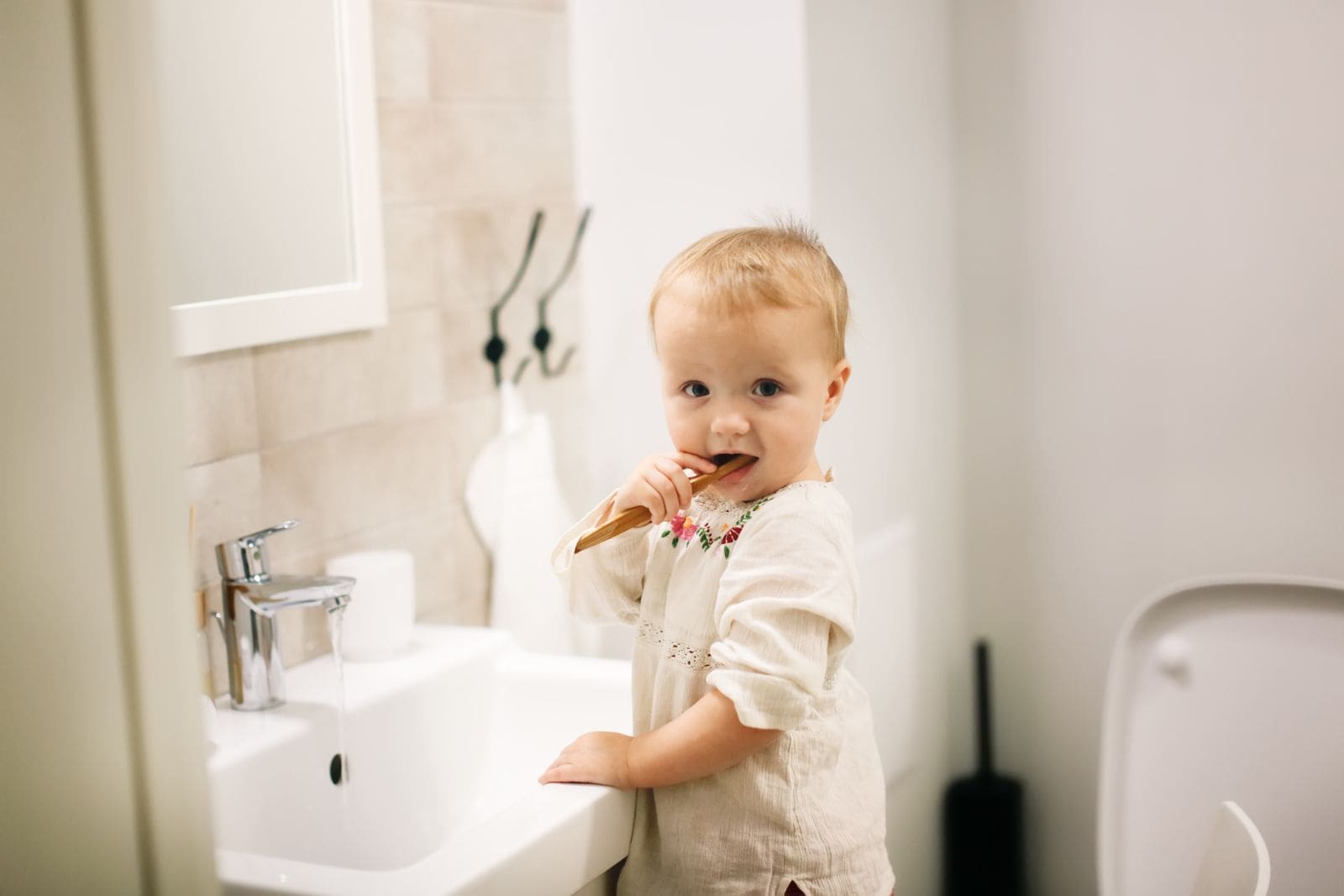
- Brush teeth. The AAP’s “Brush, Book, Bed” program pairs tooth brushing with reading and a regular bedtime (HealthyChildren.org).
- Book or story. One or two calm books, or a short audio bedtime story with the lights dimmed.
- Comfort item and goodnight. The AAP suggests letting your child take a favorite thing to bed each night.
- Lights out. Same words, same hug, same time.
How do you handle bedtime stalling?
- Offer small choices. “Blue pajamas or green?” “This book or that one?” Choices inside the routine cut down on fights about the routine.
- Use a picture chart. Toddlers can follow pictures before they can read. Let them move a clip or check off each step.
- Give a heads-up. A 10-minute warning before the routine starts helps kids switch gears.
- Keep the last request short. One more drink of water, one more hug, then goodnight.
- Stay boring. If they get up, walk them back calmly with as few words as possible.
What about babies under 1?
A routine helps babies too, but safe sleep comes first. For babies up to 1 year, the AAP recommends placing them on their back on a firm, flat surface with no pillows, blankets or soft toys, and sharing a room but not a bed, ideally for at least the first six months (AAP safe sleep guide). Save the comfort-item step for after the first birthday.
Make story time the best part
Bedtime stories are one of the easiest ways to make the routine something kids look forward to. Our Bedtime Stories are short, gentle audio stories you can play with the lights low. A screen-free audio player like the Yoto Mini or a sound machine with a night light like the Hatch can also help signal “it’s time to sleep.”
Sample bedtime schedules by age
| Step | Toddler (1 to 3) | Preschooler (3 to 5) |
|---|---|---|
| Screens off | 6:30 p.m. | 7:00 p.m. |
| Bath | 6:45 p.m. | 7:15 p.m. |
| Pajamas, potty, teeth | 7:00 p.m. | 7:30 p.m. |
| Books or audio story | 7:10 p.m. | 7:40 p.m. |
| Lights out | 7:20 p.m. | 8:00 p.m. |
Adjust to your family’s wake-up time. What matters most is doing it the same way, at about the same time, every night.
Set up the room for sleep
- Dark: blackout curtains help, especially in summer.
- Cool and comfortable: dress your child in layers that fit the room temperature.
- Quiet or steady sound: a sound machine can cover household noise.
- A dim night light if your child is afraid of the dark. Warm, low light is better than bright light.
- No screens in the bedroom.
Common bedtime problems and what to try
| Problem | Try this |
|---|---|
| Keeps getting out of bed | Walk them back calmly with few words, every time. Praise them in the morning for staying in bed. |
| “One more book” every night | Agree on the number of books before you start. Let them choose which ones. |
| Afraid of the dark | Add a dim night light and a comfort object. Check on them briefly and predictably. |
| Wired at bedtime | Turn screens off earlier, move active play to the afternoon and keep the routine quiet. |
| Bedtime keeps creeping later | Start the routine at the same time each night, even on weekends when you can. |
Keeping the routine on vacation and holidays
- Pack the comfort item, a favorite book and the sound machine.
- Keep the order of the steps the same, even if the bathroom and bed are different.
- Download a few calm audio stories before you leave.
- Get back to the usual bedtime as soon as you are home.
When to ask the pediatrician
Talk with your child’s doctor if your child snores loudly most nights, seems to stop breathing during sleep, is very sleepy during the day, or if sleep problems last for weeks despite a consistent routine.
Frequently asked questions
How long should a toddler bedtime routine be?
About 20 to 45 minutes is typical. Long enough to wind down, short enough that it does not turn into a negotiation.
What time should a toddler go to bed?
There is no single right time. Work back from when your child needs to wake up and how much sleep they need, then keep that bedtime consistent every night.
Is it okay to use audio stories at bedtime?
Yes. Calm, screen-free audio stories can be part of a routine, especially with the lights dimmed. Avoid videos and bright screens right before sleep.
What should a toddler bedtime routine include?
A predictable order of calm steps: screens off, bath or wash-up, pajamas, brushing teeth, one or two books or a short audio story, and lights out at the same time.
How do I stop my toddler from getting out of bed?
Walk them back calmly with as few words as possible every time, keep the routine consistent, and praise them in the morning for staying in bed.
Sources
- American Academy of Pediatrics, Toddler Bedtime Trouble: Tips for Parents
- American Academy of Pediatrics, Brush, Book, Bed
- American Academy of Pediatrics, A Parent’s Guide to Safe Sleep
As an Amazon Associate, FamilyLifeTips.com earns from qualifying purchases.